



The Role of Gut Flora in Health
[dropcap]A[/dropcap]ll disease begins in the gut." - Hippocrates. Over 2,400 years after the father of modern medicine made this claim, we are now re-discovering the role of gut flora, and just how true that statement was. The digestive tract is home to 100 trillion microorganisms, known as the gut flora. The majority of these microorganisms are bacteria, with a small percentage consisting of fungi and protozoa. The functions of the gut flora are complex enough to resemble those of an organ,...
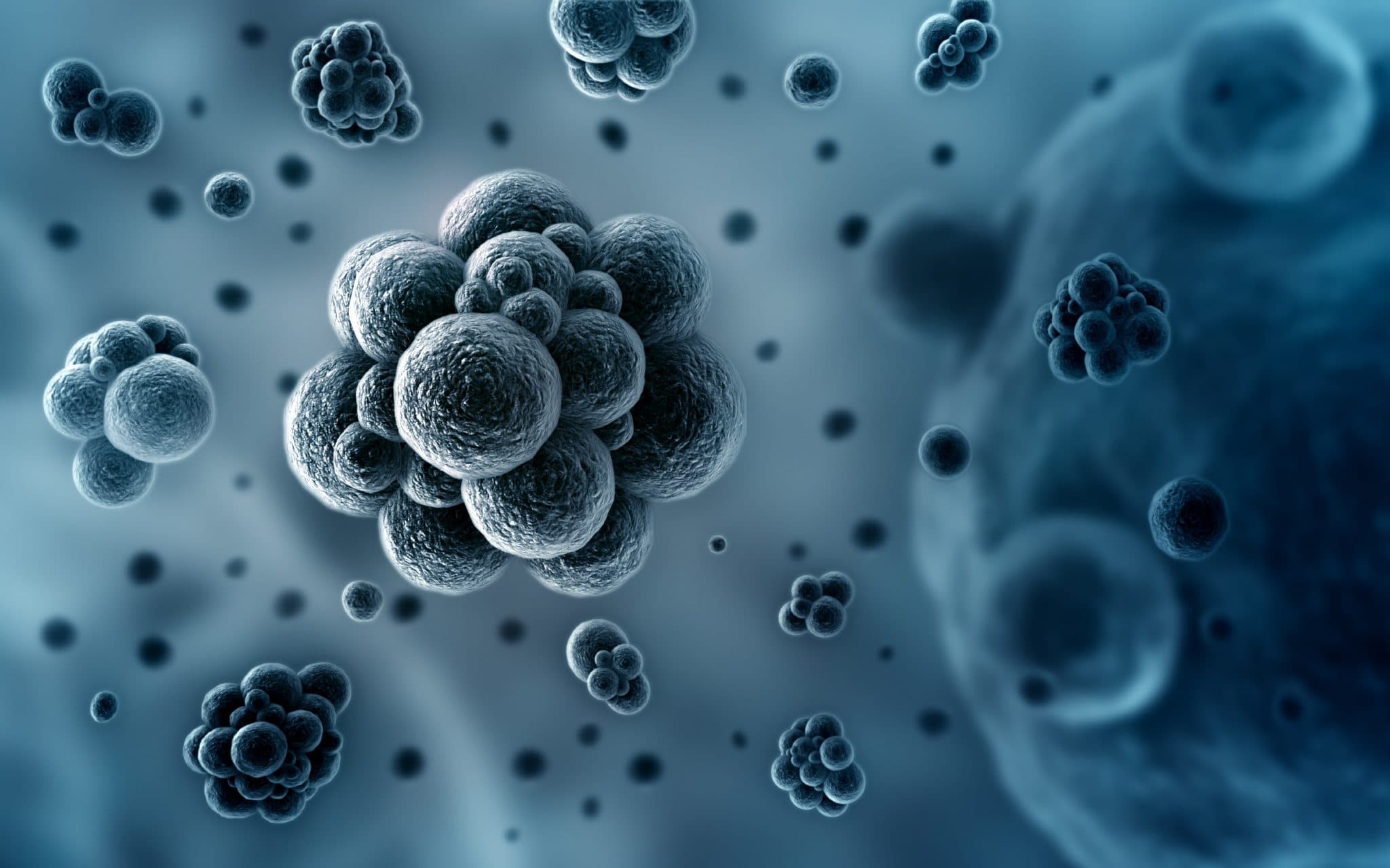
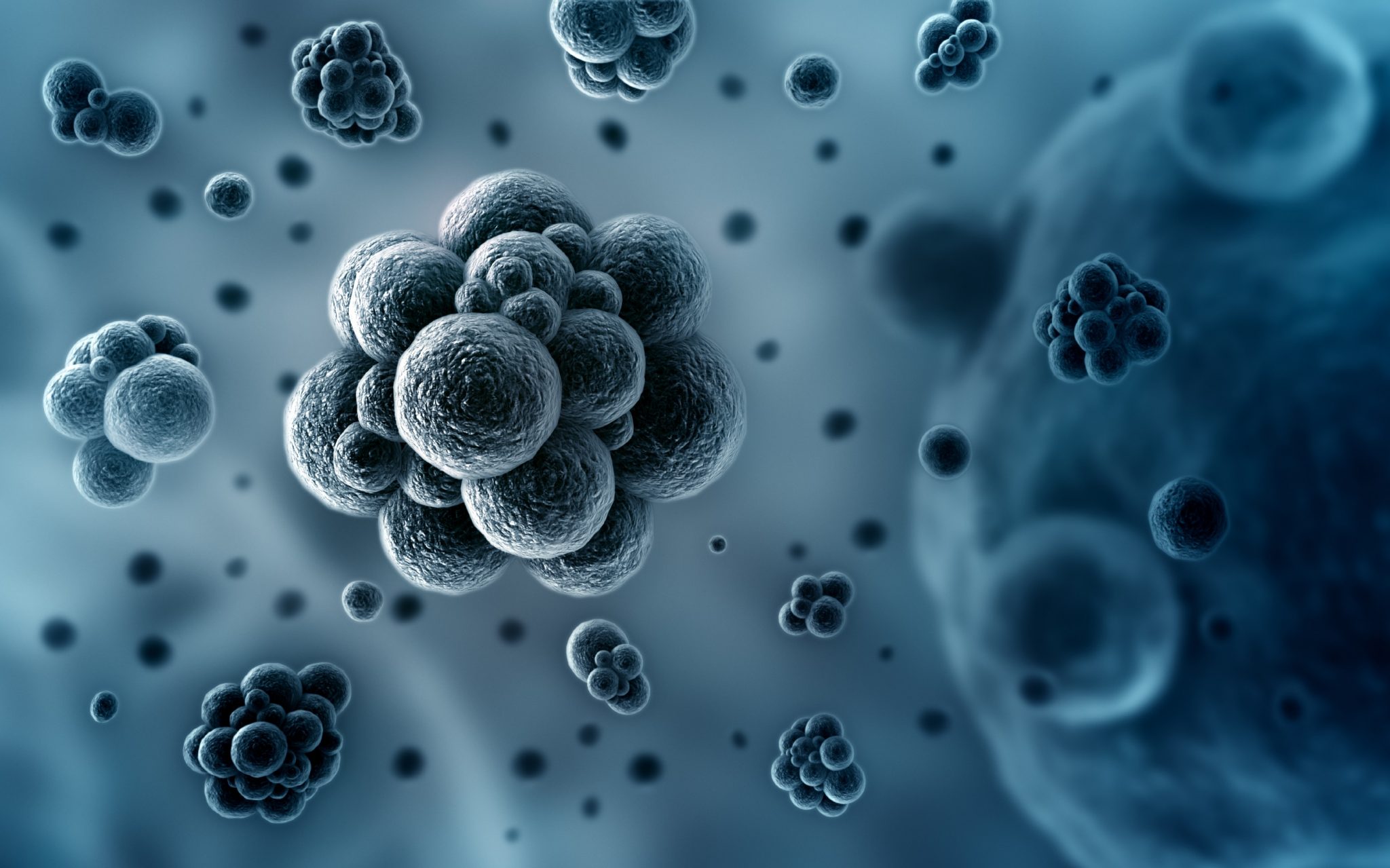
All disease begins in the gut." - Hippocrates. Over 2,400 years after the father of modern medicine made this claim, we are now re-discovering the role of gut flora, and just how true that statement was. The digestive tract is home to 100 trillion microorganisms, known as the gut flora. The majority of these microorganisms are bacteria, with a small percentage consisting of fungi and protozoa. The functions of the gut flora are complex enough to resemble those of an organ, leading some researchers to refer to the gut flora as a "forgotten organ". Indeed, the gut flora plays a number of roles so vital to the human body that if the gut were to be sterilized, long-term survival would be unlikely.
Types of Gut Flora
There are three main categories of microorganisms found in the gut: 1.) Essential Flora: This is the "friendly" bacteria that are found in the gut. In the healthy individual, essential flora dominates and controls other types of less desirable microorganisms. When functioning normally, this type of flora is responsible for conducting numerous roles that keep the body healthy. 2.) Opportunistic Flora: This group of microbes is found in the gut in limited numbers that are strictly controlled by the essential flora in the healthy individual. This type of flora is capable of causing disease if the essential flora becomes compromised and is unable to control the growth and numbers of opportunistic flora. 3.) Transitional Flora: These are various microorganisms that are introduced into the body through eating and drinking. When the essential flora is healthy and functioning normally, this type of flora will pass through the digestive tract without causing harm. However, if the essential flora is damaged, this group of microbes can cause disease.
Role of Gut Flora
Beyond controlling the population of opportunistic and transitional flora, essential gut flora plays an active role in the normal digestion and absorption of food by producing enzymes that aid in the process of breaking down proteins, carbohydrates, and fats.
It also aids in the transportation of minerals, vitamins, water, and other nutrients through the gut wall into the bloodstream for use by the body. Certain types of essential flora are capable of manufacturing nutrients such as vitamins K2, B1, B2, B3 B6, B12, folic acid, pantothenic acid, and various amino acids.
In addition to producing these nutrients to be used directly by the body, the essential flora provides nourishment to the cells of the intestinal wall that have primary responsibility for digesting and absorbing food. When the essential gut flora is compromised and not functioning normally, it is common for the individual to become malnourished and have multiple nutrient deficiencies and food intolerances. In other words, in order to remain healthy or restore health, healthy essential flora is necessary.
 In the last decade or so, the importance of the gut flora to immune function, overall health, and disease has become an emerging area of focus.
Although there is still much to be learned about the role of gut flora in immune function, it is becoming increasingly clear that disease (and health) really does begin in the gut! Studies have shown that gut flora has a profound influence on the development and maturation of the immune system after birth (Bouskra et al., 2008; Macpherson & Harris, 2004).
In addition, it has been estimated that approximately 80-85% of the immune system is located in the gut. In a healthy individual, the essential gut flora forms a bacterial layer that covers the entire digestive tract. This bacterial layer acts as a physical barrier to protect against transitional flora, viruses, parasites, toxins, and undigested food particles.
The gut flora produces acids that lower the pH of the gut wall and make it undesirable for microbes that cause disease.
The essential flora also has the ability to neutralize many toxins and inactivate carcinogens, or substances known to cause cancer. It also plays a direct role in suppressing the processes by which cancer cells are known to develop and grow.
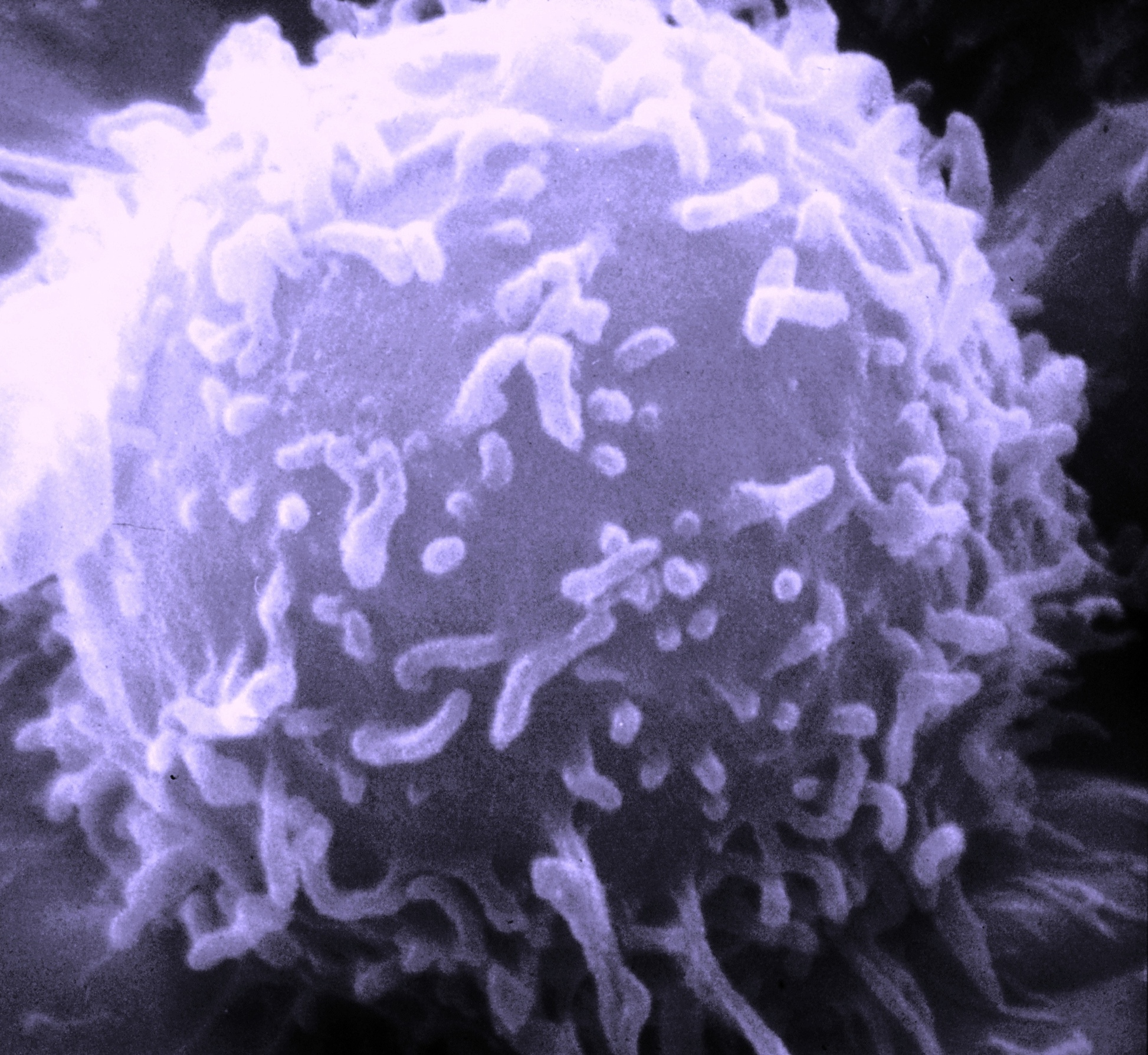
The essential flora has a direct effect on important immune functions because it is responsible for stimulating the tissues of the lymph system that are located in the gut wall to produce lymphocytes, a type of white blood cell that fights infections.
The lymphocytes then produce immunoglobulins, which are antibodies formed in response to contact with foreign substances (viruses, bacteria, fungi, etc). The immunoglobulins destroy and inactivate invading substances that enter the body through food and drink.
The essential flora also has a direct impact on the production and function of other many other cells of the immune system. When the essential flora is damaged, immune function is affected not only in the gut but throughout the entire body as well.
Essential gut flora plays an important role in the development of regulatory T cells, a critical component of the immune system. The types, number, and balance of regulatory T cells are directly influenced by the essential gut flora. The dysfunction of the regulation of different types of regulatory T cells, which may result in an imbalance in certain kinds of T cells, is known to play a key role in the development of the autoimmune disease.
A broader explanation of how the gut flora influences immune function is by understanding the balance between the two arms of the adaptive immune response, known as Th1 (cell-mediated) and Th2 (humoral) immunity. In general, the role of Th1 immunity is to fight infections in the skin, mucous membranes, and cells.
When the essential flora is damaged, the production and function of Th1 cells become impaired, allowing more invaders into the body. The body responds by overcompensating with a Th2 response, which then predisposes the individual to allergic-type reactions, chronic inflammation, and autoimmunity. Healthy essential gut flora is the key to keeping these arms of the adaptive immune system in balance, thus preventing disease.
In the last decade or so, the importance of the gut flora to immune function, overall health, and disease has become an emerging area of focus.
Although there is still much to be learned about the role of gut flora in immune function, it is becoming increasingly clear that disease (and health) really does begin in the gut! Studies have shown that gut flora has a profound influence on the development and maturation of the immune system after birth (Bouskra et al., 2008; Macpherson & Harris, 2004).
In addition, it has been estimated that approximately 80-85% of the immune system is located in the gut. In a healthy individual, the essential gut flora forms a bacterial layer that covers the entire digestive tract. This bacterial layer acts as a physical barrier to protect against transitional flora, viruses, parasites, toxins, and undigested food particles.
The gut flora produces acids that lower the pH of the gut wall and make it undesirable for microbes that cause disease.
The essential flora also has the ability to neutralize many toxins and inactivate carcinogens, or substances known to cause cancer. It also plays a direct role in suppressing the processes by which cancer cells are known to develop and grow.
The essential flora has a direct effect on important immune functions because it is responsible for stimulating the tissues of the lymph system that are located in the gut wall to produce lymphocytes, a type of white blood cell that fights infections.
The lymphocytes then produce immunoglobulins, which are antibodies formed in response to contact with foreign substances (viruses, bacteria, fungi, etc). The immunoglobulins destroy and inactivate invading substances that enter the body through food and drink.
The essential flora also has a direct impact on the production and function of other many other cells of the immune system. When the essential flora is damaged, immune function is affected not only in the gut but throughout the entire body as well.
Essential gut flora plays an important role in the development of regulatory T cells, a critical component of the immune system. The types, number, and balance of regulatory T cells are directly influenced by the essential gut flora. The dysfunction of the regulation of different types of regulatory T cells, which may result in an imbalance in certain kinds of T cells, is known to play a key role in the development of the autoimmune disease.
A broader explanation of how the gut flora influences immune function is by understanding the balance between the two arms of the adaptive immune response, known as Th1 (cell-mediated) and Th2 (humoral) immunity. In general, the role of Th1 immunity is to fight infections in the skin, mucous membranes, and cells.
When the essential flora is damaged, the production and function of Th1 cells become impaired, allowing more invaders into the body. The body responds by overcompensating with a Th2 response, which then predisposes the individual to allergic-type reactions, chronic inflammation, and autoimmunity. Healthy essential gut flora is the key to keeping these arms of the adaptive immune system in balance, thus preventing disease.
Maintaining Healthy Gut Flora
 There are many contributing factors to damaged and imbalanced gut flora, including a poor diet high in refined carbohydrates, chronic stress, the use of certain medications, such as antibiotics, non-steroidal anti-inflammatory drugs (NSAIDs), and oral contraceptives, cesarean section birth, bottle feeding, and toxic exposure to various chemical substances.
While you may have no control over some of these factors (whether or not you were bottle-fed, for example), there are steps you can take to support your essential gut flora.
A Paleo lifestyle that eliminates processed foods and refined carbohydrates, adds an appropriate level of exercise and rest, and seeks to manage stress effectively will go far in maintaining a healthy balance of bacteria in the gut.
The consumption of probiotic-rich foods and drinks, such as sauerkraut and other fermented vegetables, kombucha tea, water kefir, and coconut milk yogurt, can also help to contribute to healthy gut flora.
What steps have you taken to maintain healthy gut flora?
There are many contributing factors to damaged and imbalanced gut flora, including a poor diet high in refined carbohydrates, chronic stress, the use of certain medications, such as antibiotics, non-steroidal anti-inflammatory drugs (NSAIDs), and oral contraceptives, cesarean section birth, bottle feeding, and toxic exposure to various chemical substances.
While you may have no control over some of these factors (whether or not you were bottle-fed, for example), there are steps you can take to support your essential gut flora.
A Paleo lifestyle that eliminates processed foods and refined carbohydrates, adds an appropriate level of exercise and rest, and seeks to manage stress effectively will go far in maintaining a healthy balance of bacteria in the gut.
The consumption of probiotic-rich foods and drinks, such as sauerkraut and other fermented vegetables, kombucha tea, water kefir, and coconut milk yogurt, can also help to contribute to healthy gut flora.
What steps have you taken to maintain healthy gut flora?
References:
Bouskra D. et al. (2008). Lymphoid tissue genesis induced by commensals through NOD1 regulates intestinal homeostasis. Nature 456(7221), 507–510. Campbell-McBride, N. (2010). Gut and psychology syndrome. Cambridge, United Kingdom: Medinform. Kosiewicz, M.M., Zirnheld, A.L., & Alard, P. (2011). Gut microbiota, immunity, and disease: A complex relationship. Frontiers in Microbiology, 2(180). Macpherson, A.J. & Harris, N.L. (2004). Interactions between commensal intestinal bacteria and the immune system. Nature Reviews: Immunology, 4(6), 478 - 485. Wu, H. & Wu, E. (2012). The role of gut microbiota in immune homeostasis and autoimmunity. Gut Microbes, 3(1), 4 - 13.
Related Reading
- Gut Health 101: Gut Bacteria, the Gut Microbiota, and your Health
- Gut Microbiome Research and the Health Food Industry
- Therapeutic Tools for Gut Microbiome Health
Share: