



5 Benefits of a Grain Free Diet
A Grain Free Diet is similar to other gluten restrictive diets. However, a Grain Free diet eliminates all foods containing grains and pseudo grains, not just gluten. These further restrictions offer benefits that are not imparted by a diet that only restricts gluten. Here some of the most incredible, top benefits of a Grain Free Diet that are often reported. Benefits of a Grain Free Diet 1. A Grain Free Diet May Benefit Those With Autoimmune Conditions. Research suggests that people living...
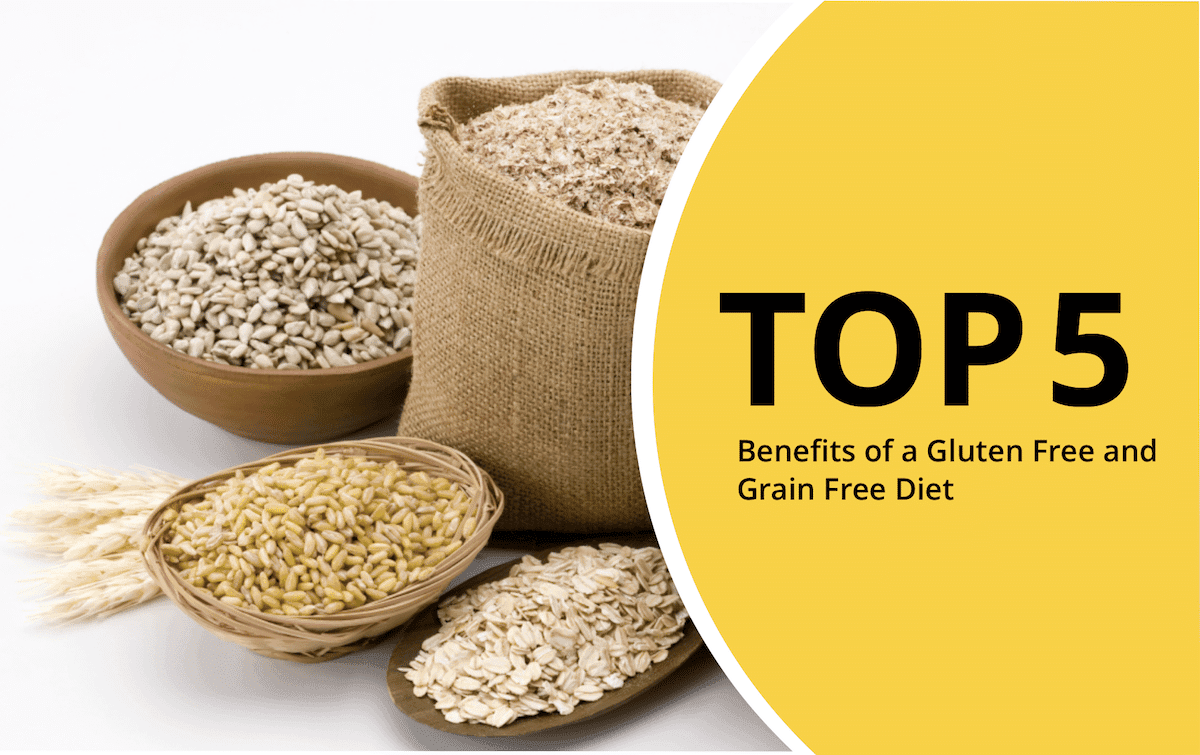
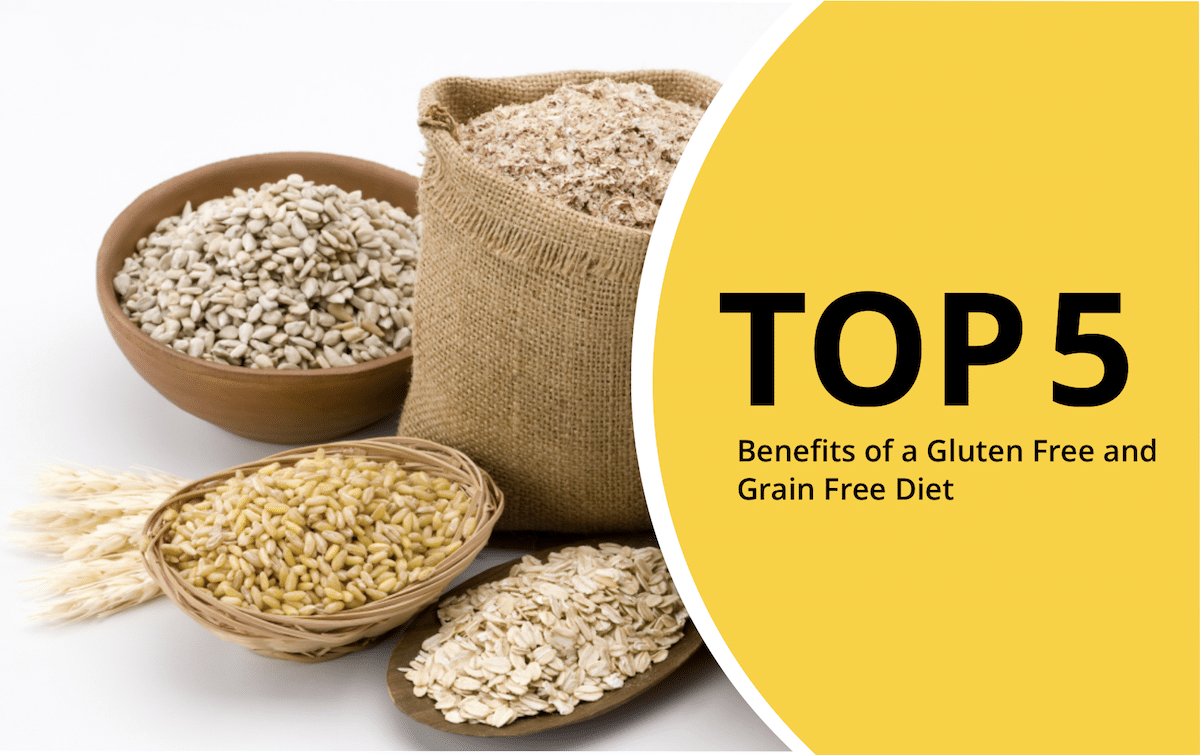
A Grain Free Diet is similar to other gluten restrictive diets. However, a Grain Free diet eliminates all foods containing grains and pseudo grains, not just gluten.
These further restrictions offer benefits that are not imparted by a diet that only restricts gluten. Here some of the most incredible, top benefits of a Grain Free Diet that are often reported.
Benefits of a Grain Free Diet
1. A Grain Free Diet May Benefit Those With Autoimmune Conditions. Most people with Celiac Disease respond well to a strict gluten-free diet, although some have persistent or recurring symptoms, most often because of unintentional gluten contamination. However, a grain-free diet is a significant step beyond a gluten-free diet. Individuals with gluten intolerance, non-Celiac Gluten Sensitivity, food sensitivities, Celiac Disease, and other autoimmune conditions often report seeing benefits of a grain free diet. 2. A Grain Free Diet May Benefit Mental Health. Recent research has explored links between gluten and various neurological and mental health conditions, such as epilepsy, anxiety, depression, ADD, and autism spectrum disorders, but there is no clinical-trial evidence that a grain-free diet treats them. Some people with schizophrenia show an unusual immune response to gluten and markers of gluten sensitivity. 3. A Grain Free Diet May Also Benefit the Gut Microbiome. Recent developments in gut microbiome research suggest that our microbiome has a significant effect on the development of modern diseases. However, some research indicates that the balance of the gut microbiome may benefit from the adherence to a Grain Free Diet. 4. A Grain Free Diet May Aid in Weight Loss Efforts. A study in mice found that a Gluten-Free Diet reduced inflammation, insulin resistance, and adiposity. In another mouse study, gluten or its peptides reached the blood, liver and visceral fat, and gluten intake influenced fat metabolism. These findings come from mice and have not been shown in humans, so whether a Grain Free diet aids weight loss in people is not yet known. 5. A Grain Free Diet May Improve Energy. Chronic fatigue is a symptom of gluten intolerance, as well as a symptom that is common in individuals with autoimmune disease. Eliminating grains from the diet may improve overall mood and energy.
What’s Wrong With Grains?
To be fair, nothing is inherently wrong with grains. In fact, most evidence suggests that grains are a healthy part of a human diet. While grains may be healthy for the majority of the population, this may not be universally true for all individuals. Although it is largely anecdotal, people worldwide have reported relief from a myriad of health concerns on a grain-free diet or a paleo diet. Given the etiology and prevalence of the autoimmune disease worldwide, these reports make sense. Many people begin a Grain free diet with the hopes of achieving weight loss, improvements in mood and cognition, improved insulin sensitivity, and respite from the scourges of autoimmune disease.
Final Thoughts
While there are benefits of a grain free diet, a grain-free diet or Paleo Diet is not designed to treat or prevent illness. A grain-free diet or paleo diet is a supplemental tool to help your medical or health care provider throughout your journey to health. Proper medical supervision is necessary. See these 5 common symptoms of gluten intolerance to see if your health concerns may benefit from a Grain Free Diet. Please note that the adoption of a Grain Free or Paleo Diet may not be beneficial or even necessary for the individual and may even have unintended consequences. Unwarranted dietary interventions such as a Gluten Free or Grain Free Diet may contribute to reduced consumption of prebiotic polysaccharides, which may reduce beneficial indigenous bacteria and increase pathogenic, enterobacterial counts.
Related Reading
- Top 5 Gluten Free and Grain Free Flour Alternatives
- Why a Grain Free Diet May Be Best for Autoimmune Disease
- The Science-Backed Benefits of the Paleo Diet
Share: